Project location: Cambodia
Project status: In operation
Article 6 readiness:
Letter of No Objection (LONO) issued in July 2026 and LoA expected by end of 2026
Project type: Biogas, clean cooking, animal waste management
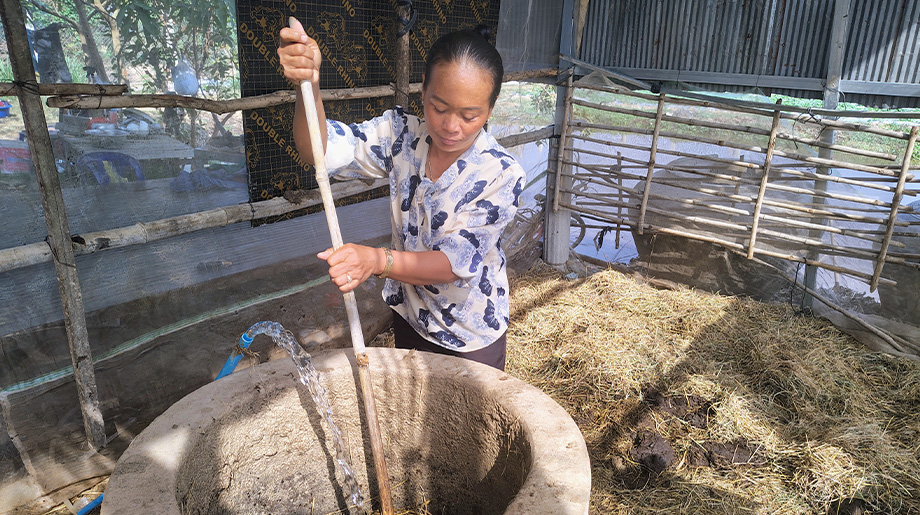
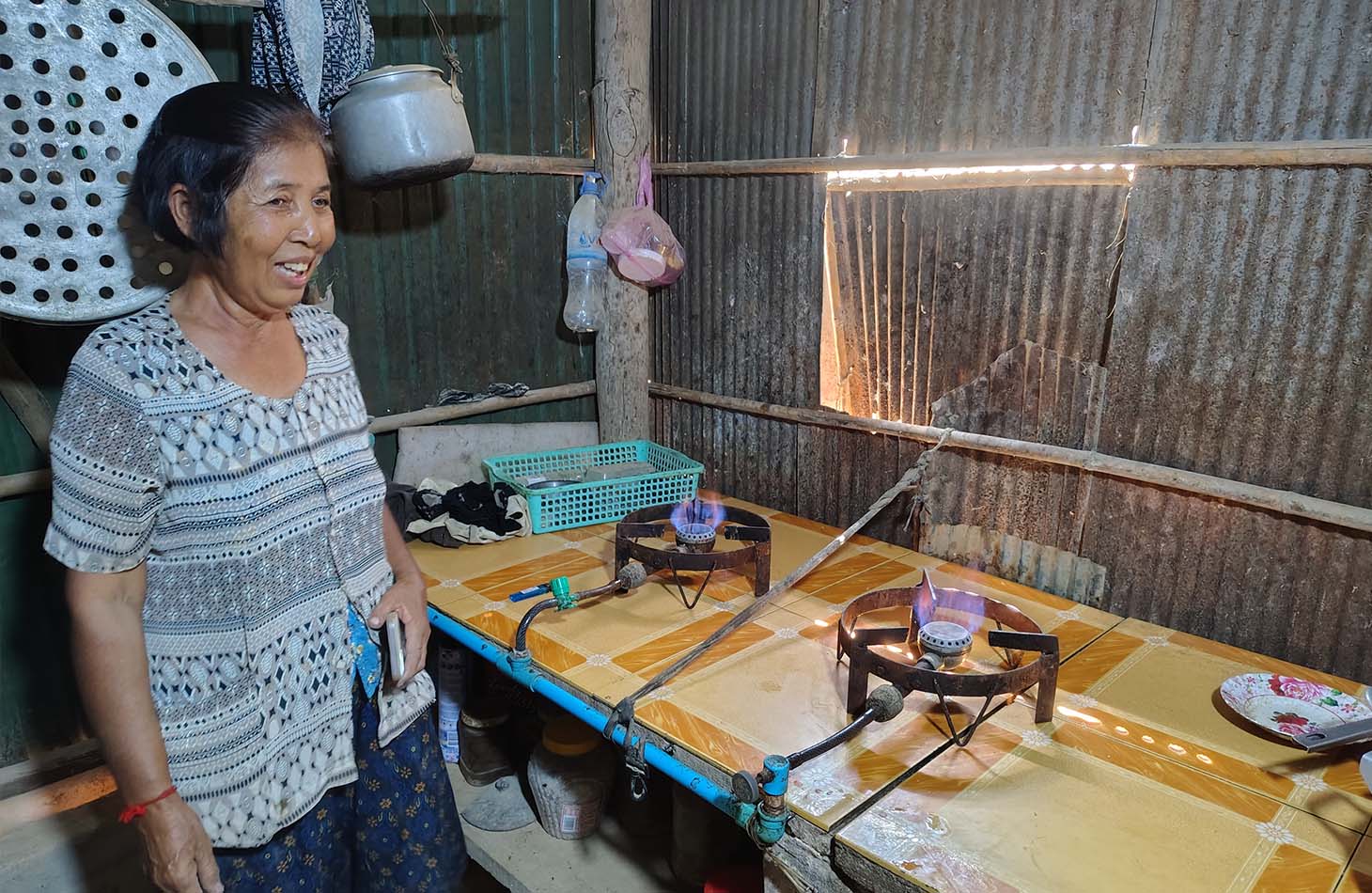
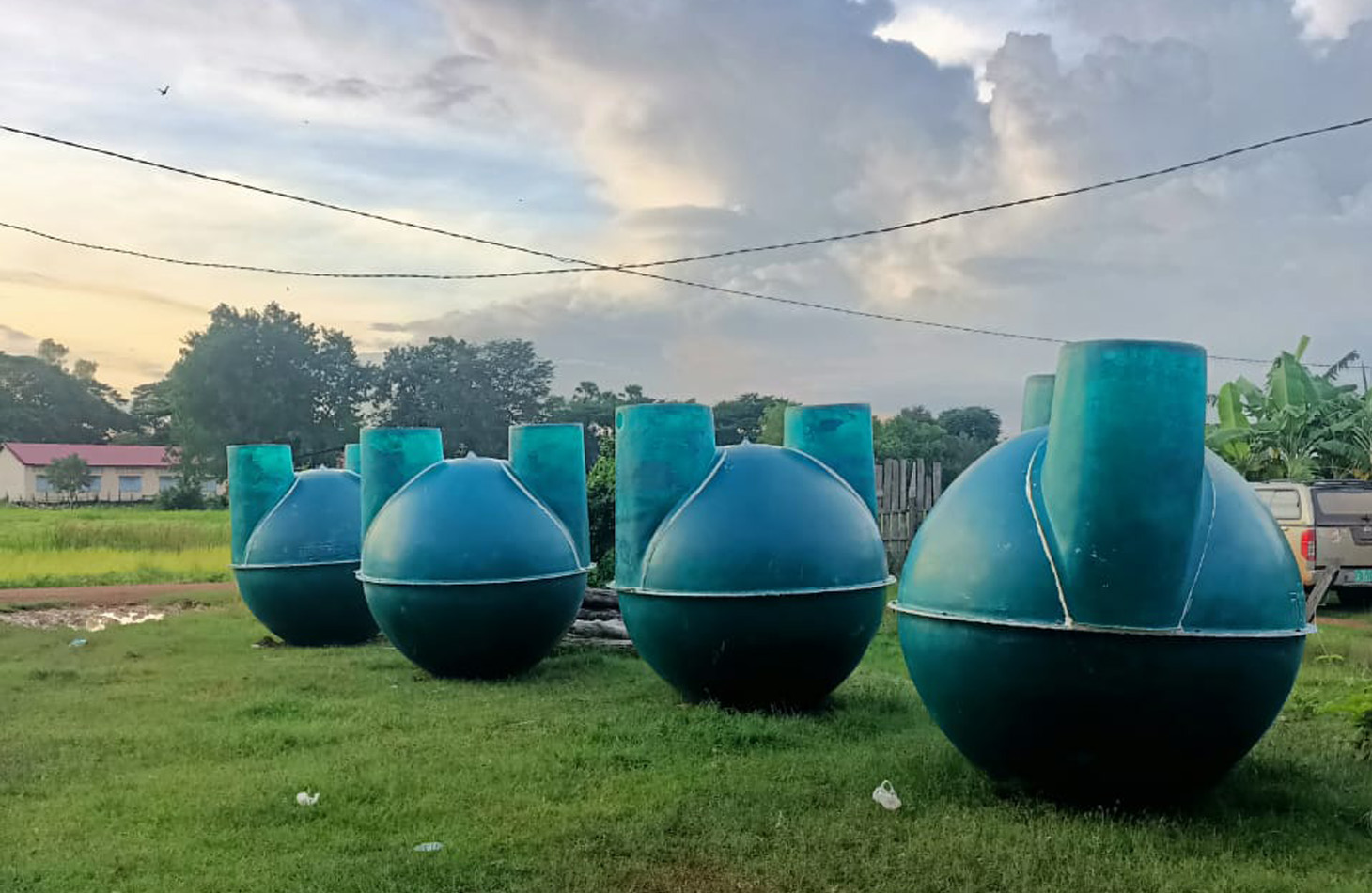
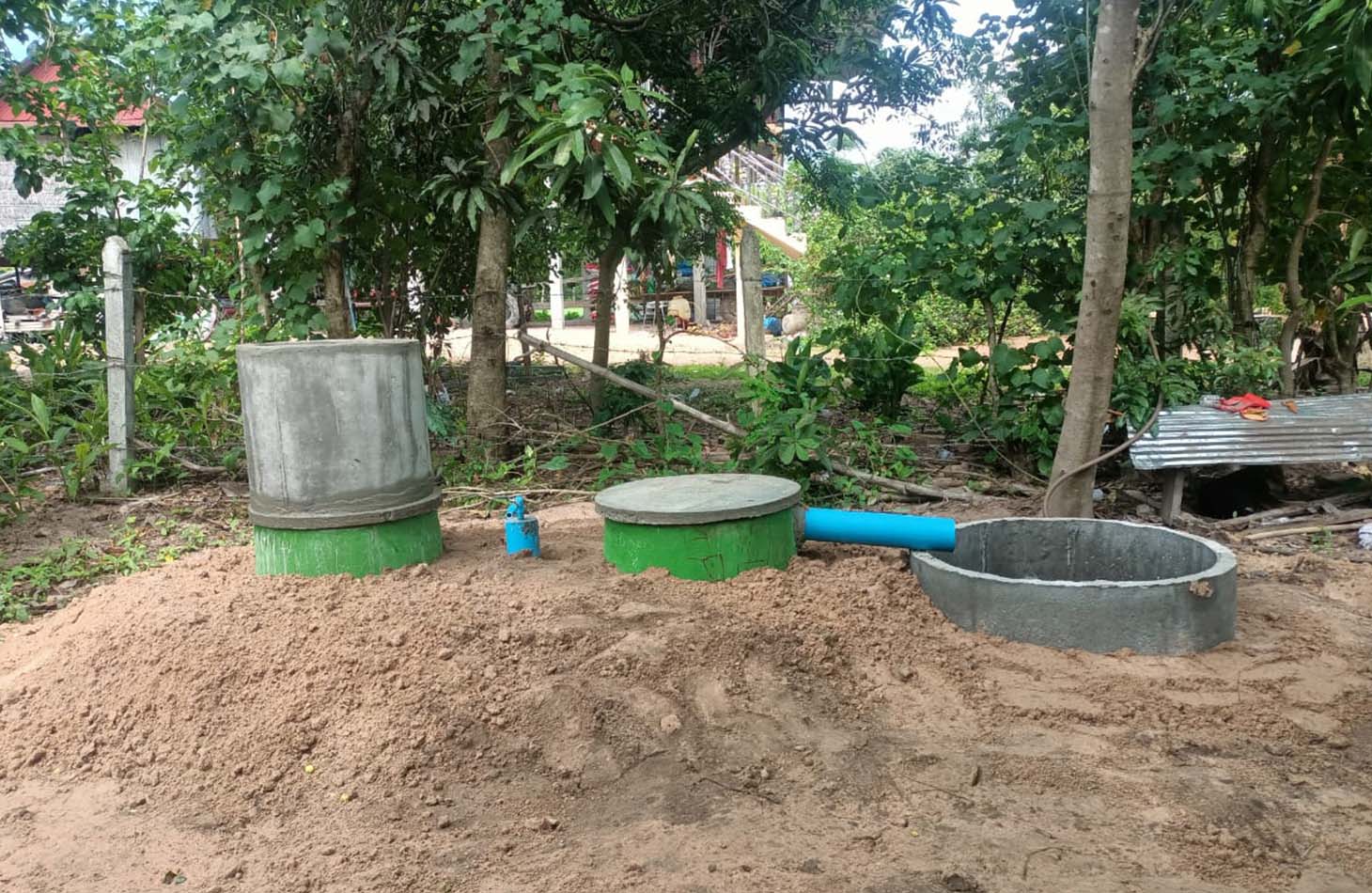
The National Biodigester Programme promotes clean cooking and sustainable waste management in Cambodia. Household and farm-based biodigesters convert animal manure into renewable biogas, reducing greenhouse gas emissions, improving agricultural productivity and creating sustainable income opportunities in rural communities. The project is certified under the Gold Standard and is preparing for future use under Article 6 of the Paris Agreement.
Rural households in Cambodia often rely on firewood for cooking, contributing to deforestation, greenhouse gas emissions and indoor air pollution. At the same time, animal manure is frequently managed inefficiently, causing methane emissions and environmental pollution. To address these challenges, Cambodia's Ministry of Agriculture, Forestry and Fisheries (MAFF) and local partners established the National Biodigester Programme to develop a commercial, market-oriented biodigester sector across the country. Since 2006, the programme has promoted renewable energy solutions and sustainable waste management in rural Cambodia. Household biodigesters convert animal manure into renewable biogas, providing families with a clean cooking fuel that replaces firewood and other traditional fuels, while the resulting bio-slurry improves soil quality and agricultural productivity. In addition to household systems, the programme supports larger biodigesters at animal farms, improving manure management and generating renewable energy. National Biodigester Programme and Nexus for Development are responsible for project development and implementation.
Carbon finance helps expand access to biodigesters and supports the long-term development of Cambodia's biodigester sector. Revenues from carbon credits contribute to quality control, monitoring, training, after-sales services and the continued dissemination of biodigester technology. Carbon finance is an important source of funding that enables the programme to scale its impact and maintain high implementation standards.
The project is certified under the Gold Standard for the Global Goals (GS11138). Emission reductions and sustainable development impacts are monitored and independently verified according to Gold Standard requirements, covering biodigester performance, renewable energy generation, greenhouse gas reductions and a range of social and environmental indicators. The project developer also expects the project to receive a Letter of Authorisation (LoA) by the end of 2026, enabling future participation under Article 6 of the Paris Agreement and the transfer of authorised mitigation outcomes.
(Information provided by the project developer)
*As of 2025. Reported project impacts up to 2025 based on project monitoring data. Find out how myclimate reports these SDGs in our FAQ.
USD 226,970 saved through reduced biomass purchases.
1,087 ha of agricultural land improved through bio-slurry application.
1,669 households gained access to clean energy and 434 MWh renewable electricity was generated.
80 jobs created.
61,000 tCO₂e emissions reduced.
Reduced pressure on forests through lower firewood consumption.