Project type: Efficient cook stoves
Project location: Nepal, Kathmandhu (Provinces 2 and 5)
Project status: In operation, credits available
Annual emission reduction of the whole project: 8,000 t CO2e
Switching from firewood to electric cooking reduces emissions, improves health and creates new opportunities. This project combines clean technology with digital monitoring to ensure measurable and transparent climate impact.
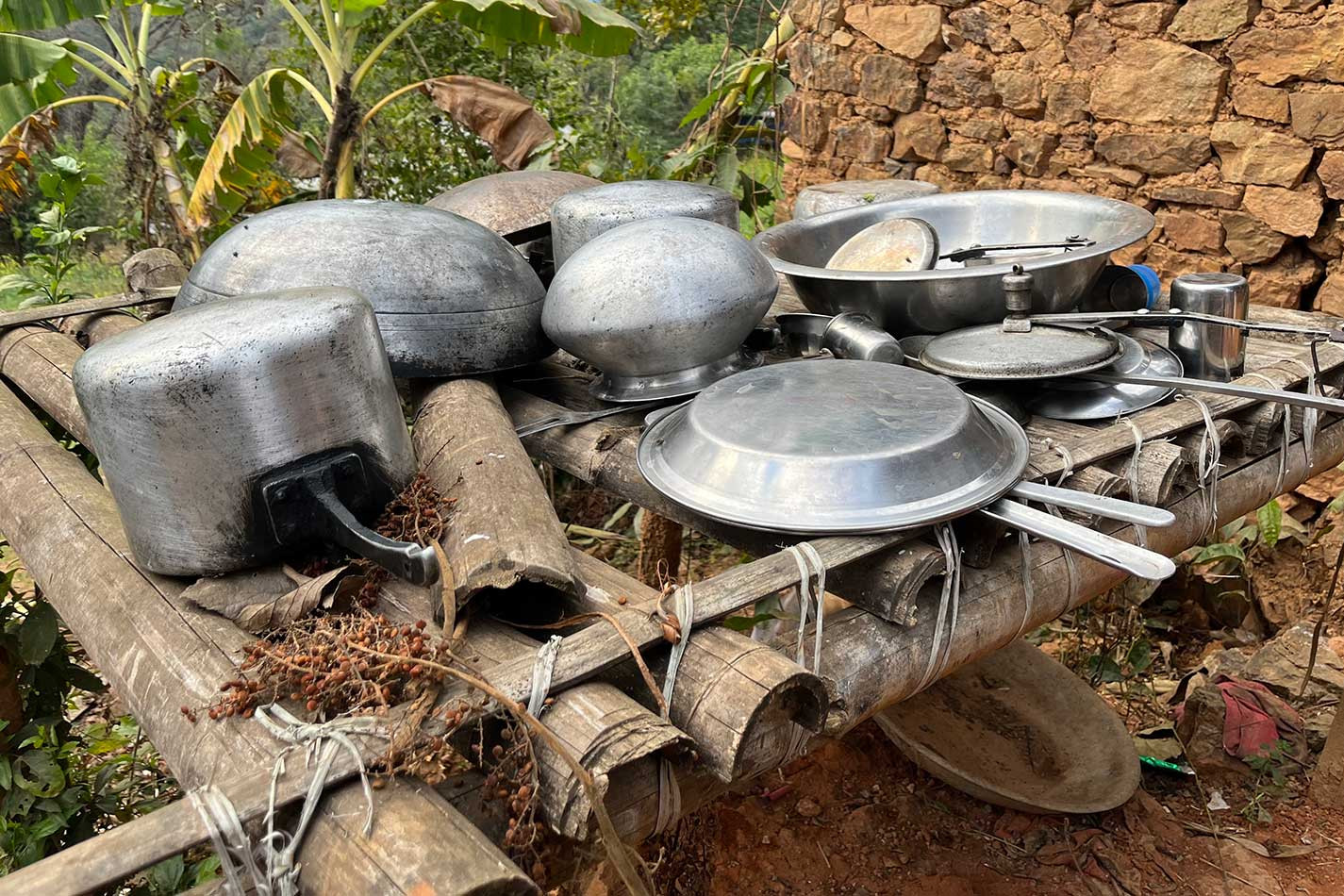
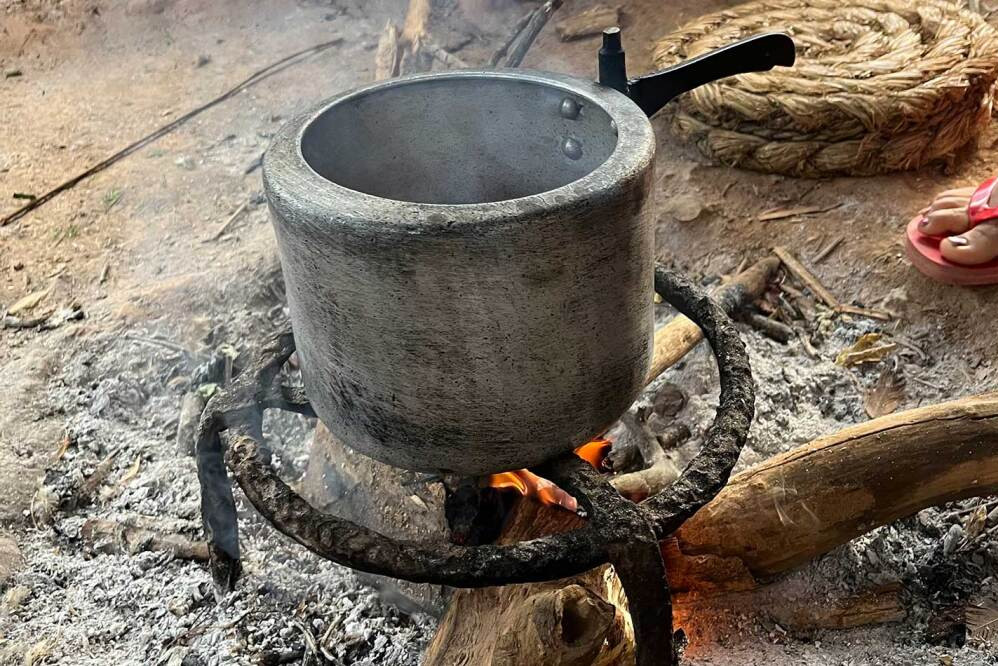
In large parts of Nepal, daily cooking still relies on non-renewable biomass such as firewood. This widespread practice is a key driver of greenhouse gas emissions and contributes significantly to deforestation and environmental degradation.
At the household level, the use of open fires or inefficient stoves leads to high levels of indoor air pollution. This poses serious health risks, particularly respiratory diseases, and disproportionately affects women and children, who are primarily responsible for cooking.
In addition, collecting firewood is both time-consuming and physically demanding. The time required for fuel collection reduces opportunities for education, income-generating activities and community participation, reinforcing existing social and economic inequalities.
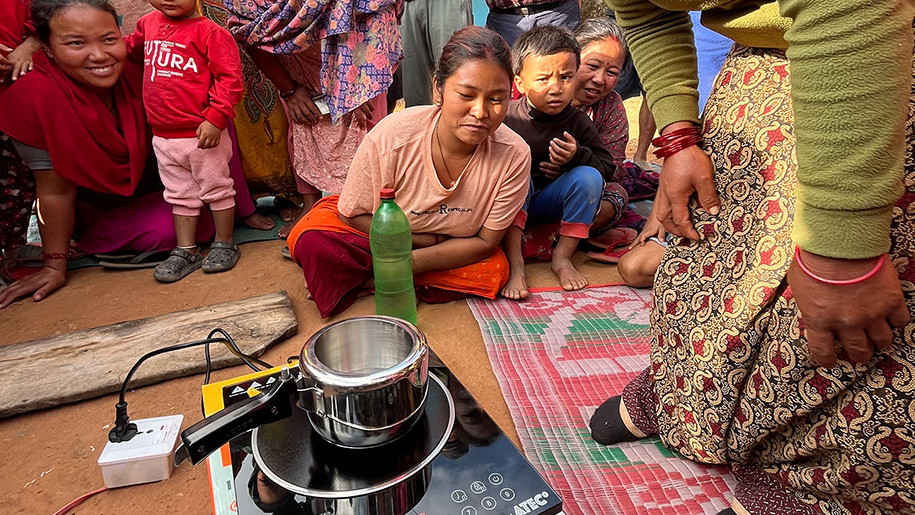
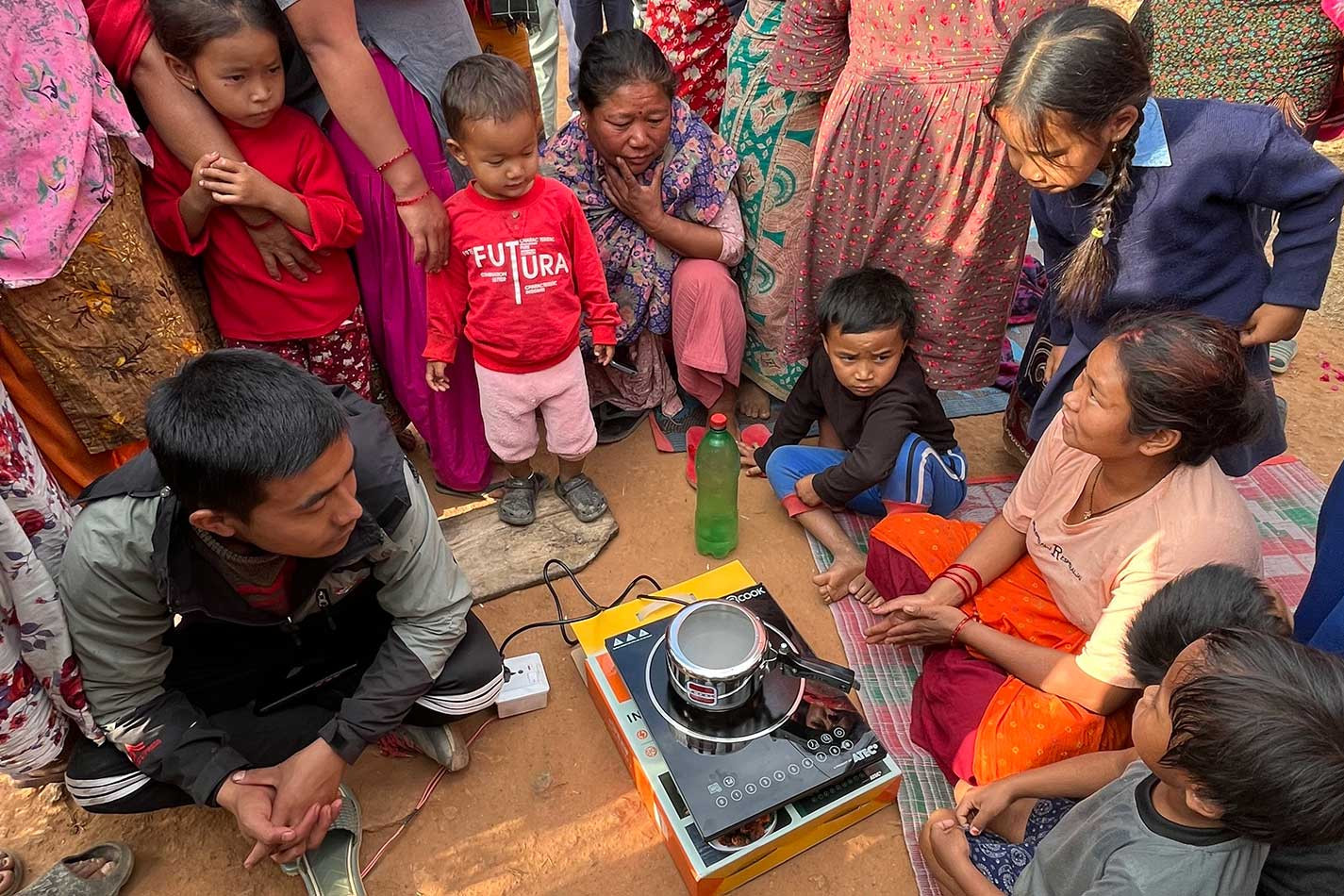
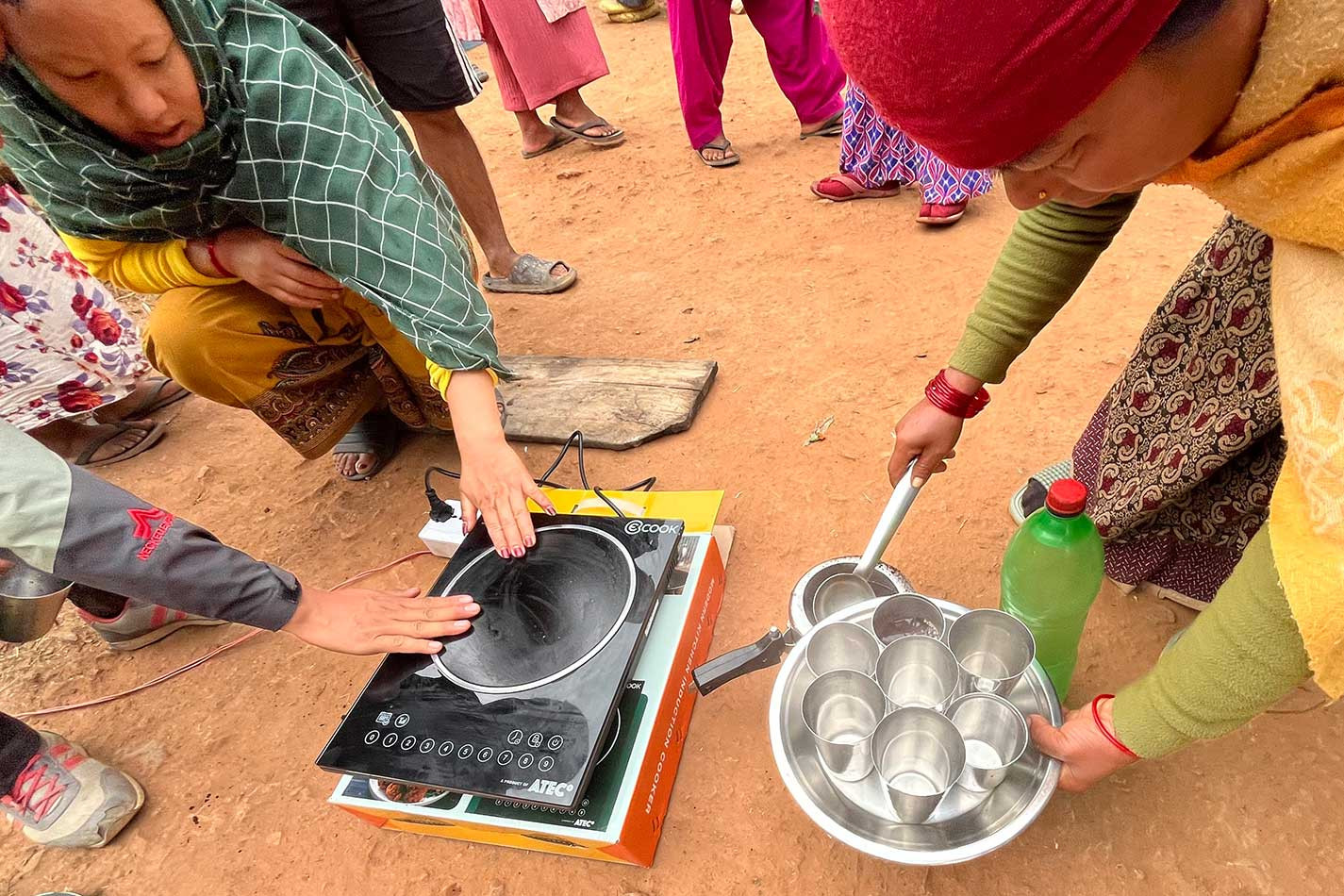
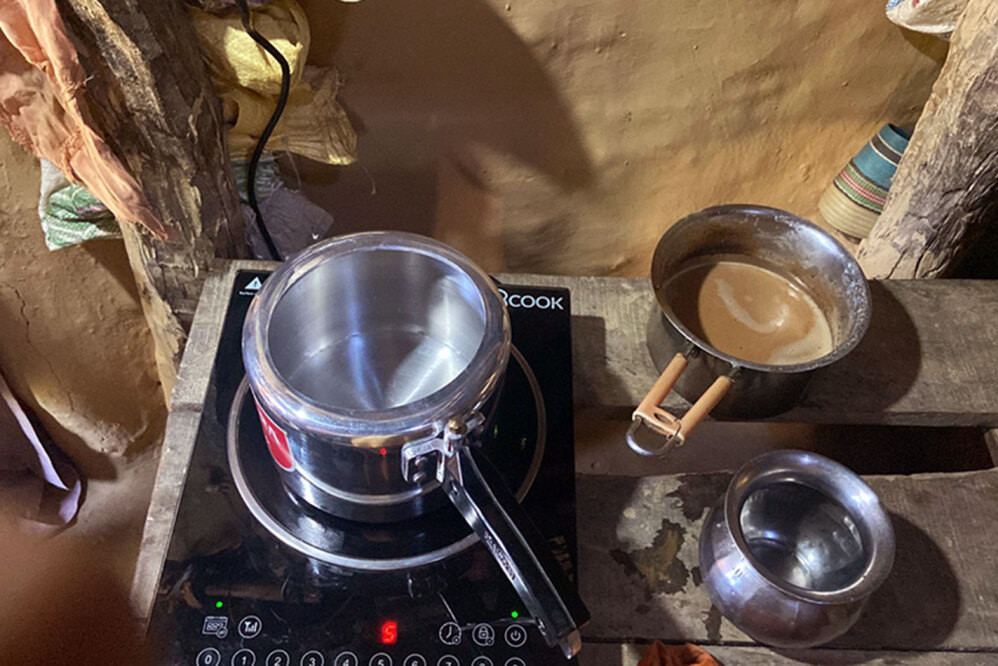
To address these challenges, the project distributes 7,500 electric induction cookstoves in selected regions of Nepal. These stoves replace traditional biomass-based cooking methods with a clean, efficient and user-friendly alternative.
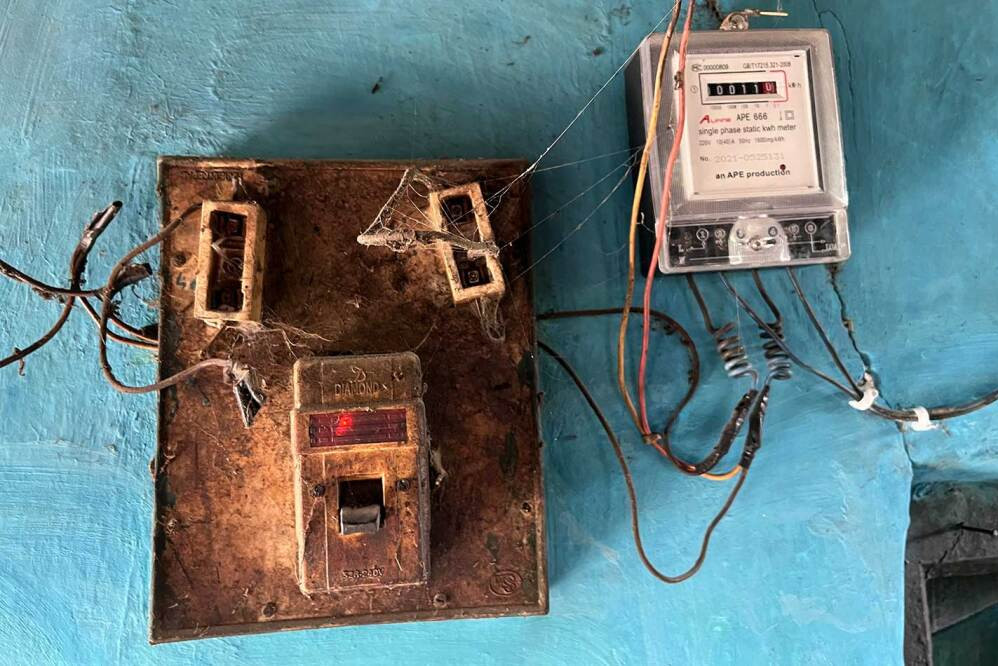
A key feature of the project is the integration of GSM technology. Each stove is equipped with a SIM card that enables real-time data transmission, allowing continuous monitoring of stove usage. This project's pioneering digital approach to enhancing faster verifiable outcomes resulted in its selection in Gold Standards digital Monitoring, Reporting and Verification Pilots.
As a co-financier and quality assurance partner, myclimate plays a central role in ensuring the environmental integrity of the project. This includes verifying that emission reductions are calculated according to recognised standards, overseeing data quality and supporting compliance with the Gold Standard for Verified Emission Reductions (VER).
By enabling the transition to electric cooking, the project is expected to reduce approximately 80,000 tonnes of CO₂ over a period of ten years. At the same time, revenues generated through carbon finance are reinvested into the project. This includes the distribution of additional stoves, maintenance, user support and collaboration with local stakeholders, thereby ensuring the sustainability and scalability of the initiative.
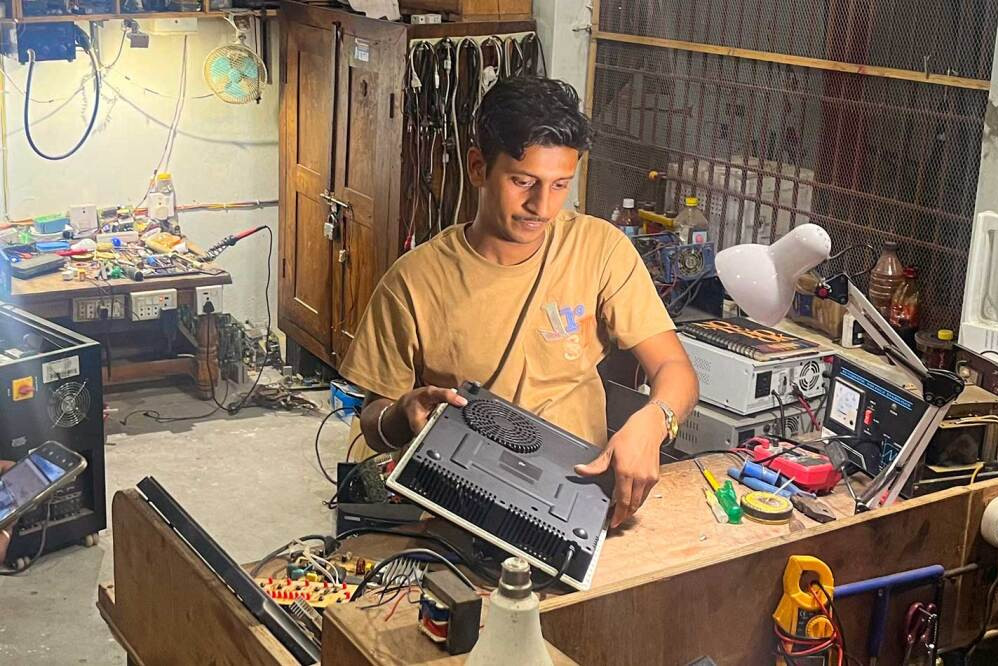
The project is implemented in collaboration with ATEC, a technology provider specialising in clean cooking solutions. ATEC is responsible for the development, production and distribution of the electric induction cookstoves, as well as for the integration of the GSM-based monitoring system.
Through its technological expertise, ATEC enables the collection of high-quality, real-time usage data, which forms the basis for accurate emission reduction calculations.
At the local level, ATEC works closely with experienced partner organisations that ensure effective implementation on the ground. These organisations support households with stove installation, provide user training and offer ongoing technical assistance. This collaboration between technology provider, local organisations and myclimate ensures that the project is not only technically robust, but also socially embedded and capable of delivering long-term climate and development benefits.
*as at the end of 2025. Find out how myclimate reports these SDGs in our FAQ.
Reduced indoor air pollution from traditional cooking methods.
Time saved from firewood collection, enables better educational opportunities for women and children.
Women empowered to participate in income-generating activities due to saved time from firewood collection.
Distribution of clean technology (7,500 electric induction cookstoves)
Creation of employment opportunities
Reduced CO2 and black carbon emissions through decreased use of biomass for cooking.
Conservation of firewood otherwise gathered for cooking.
Gold Standard registration pending
7262