Project type: Energy Efficiency
Project location: German-speaking region (Germany, Switzerland, Austria, Liechtenstein)
Project status: In operation, credits available
Expected annual emissions reduction: 465 t CO2e per year
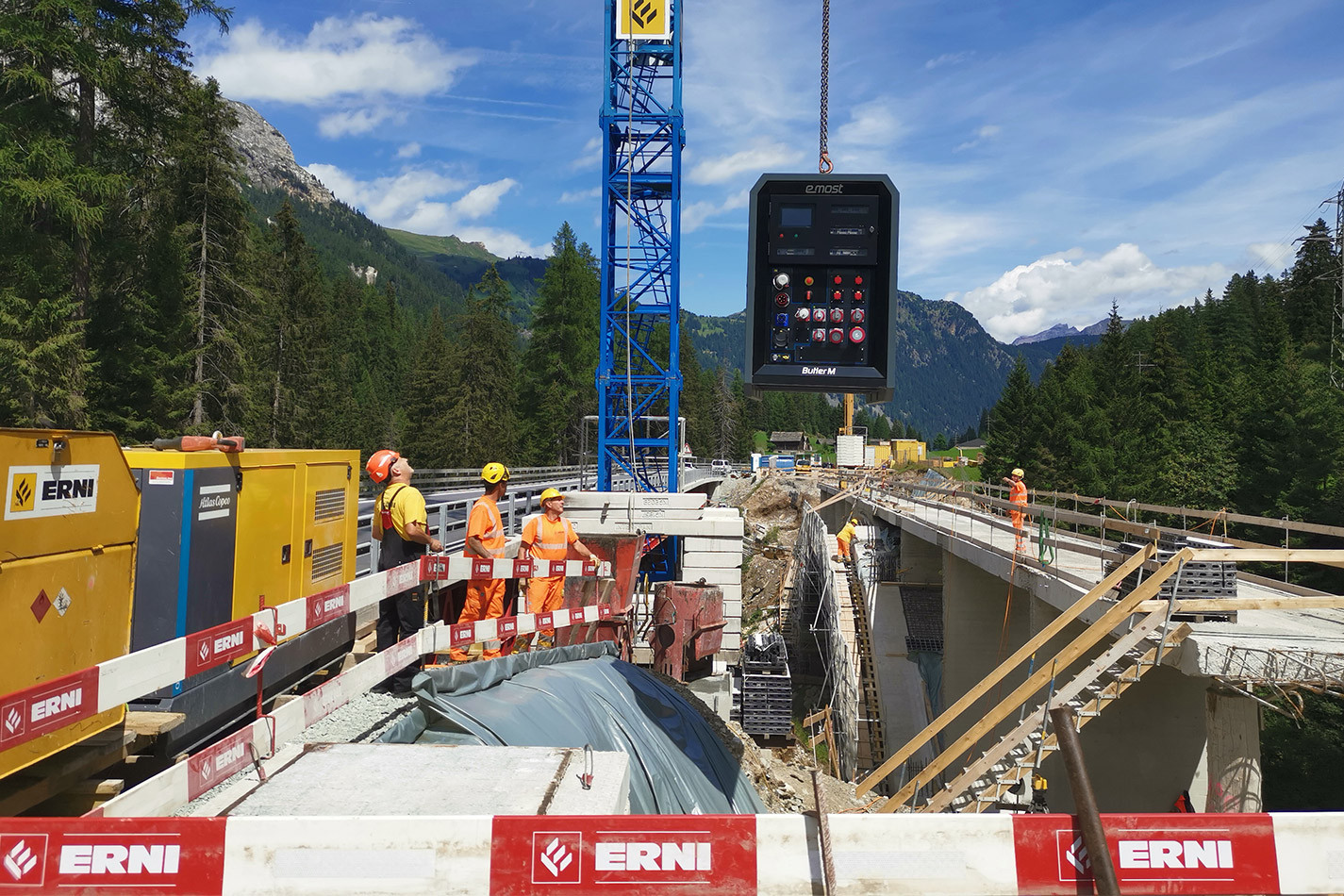
This support programme offers financial support for the replacement of mobile diesel generators with renewable alternatives. Until now, these have been hydrogen generators and battery-based energy storage systems. This not only reduces CO2 emissions and particulate matter, but also reduces the noise generated. Funding is provided for equipment that is primarily used in Germany, Austria and Switzerland.
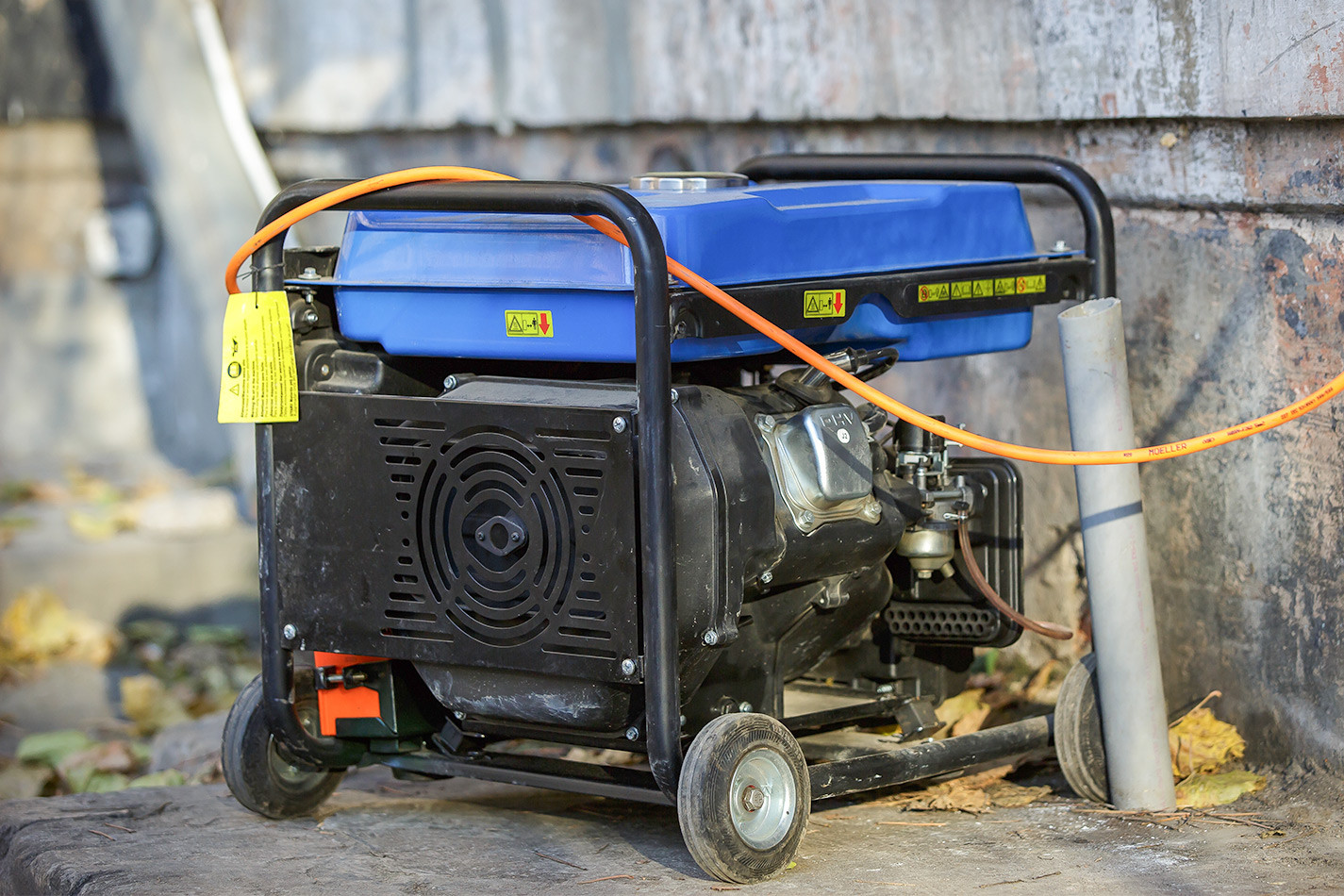
Mobile diesel generators are used in the construction industry and in agriculture, for emergency operations and film productions, and generally for power supply at events such as open air shows and sporting events. Despite their climate-damaging effects, fossil-powered generators are widely used and are often seen as the only alternative, particularly because there is an extensive network of petrol stations and because maintenance and service providers are widely available. Demand for diesel generators has been increasing worldwide for years, including in Germany, Switzerland, Austria and Liechtenstein. However, they emit CO2 and particulate matter as well as being loud.
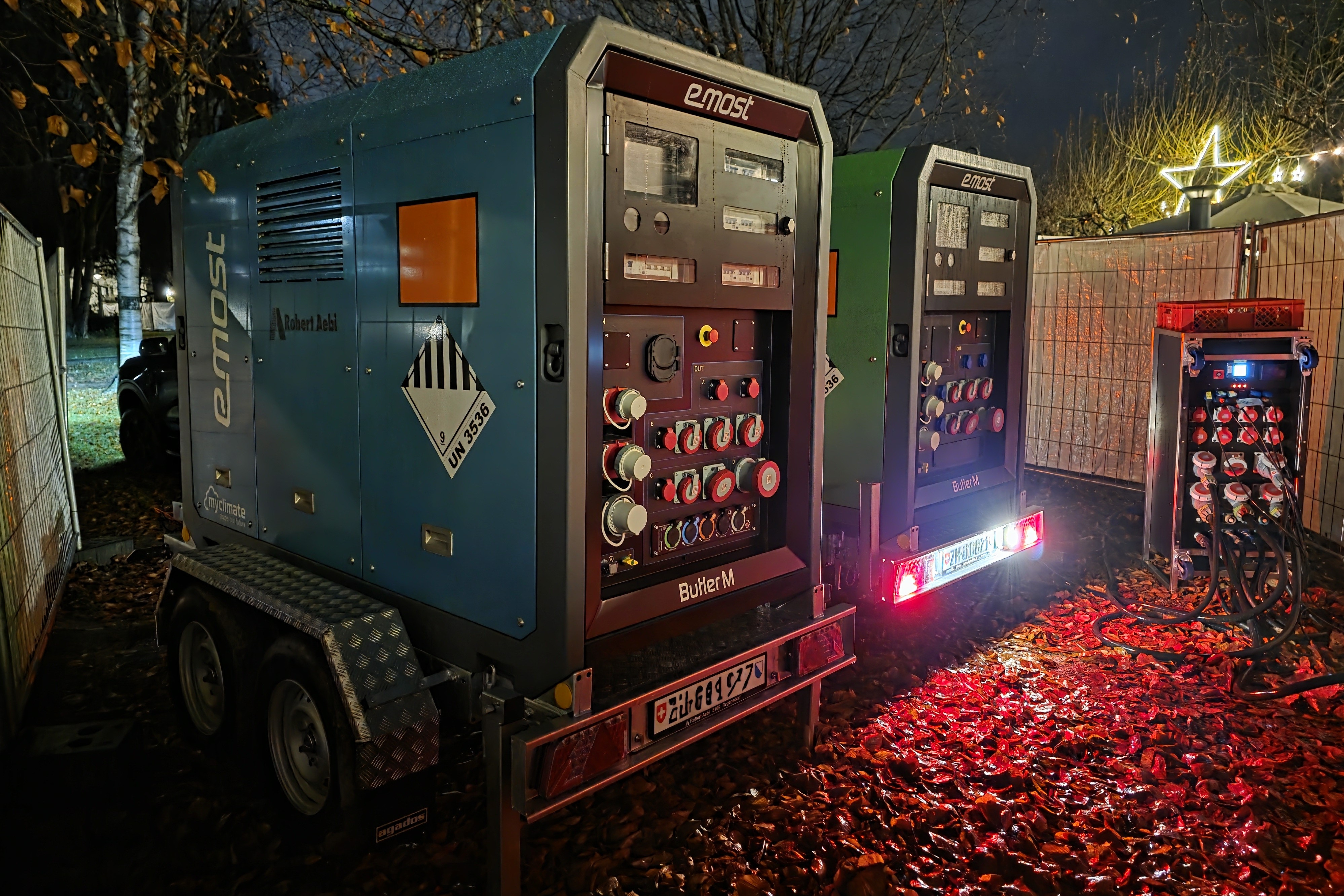
The myclimate support programme provides financial support for the purchase of tested, sustainable power supplies. Devices that generate and deliver electricity using hydrogen fuel cells and energy storage systems using lithium-ion batteries are eligible for the programme. Both technologies are quiet and cause only a fraction of the CO2 emissions of a diesel generator. Both technologies have been tested and approved in the countries covered by the programme.
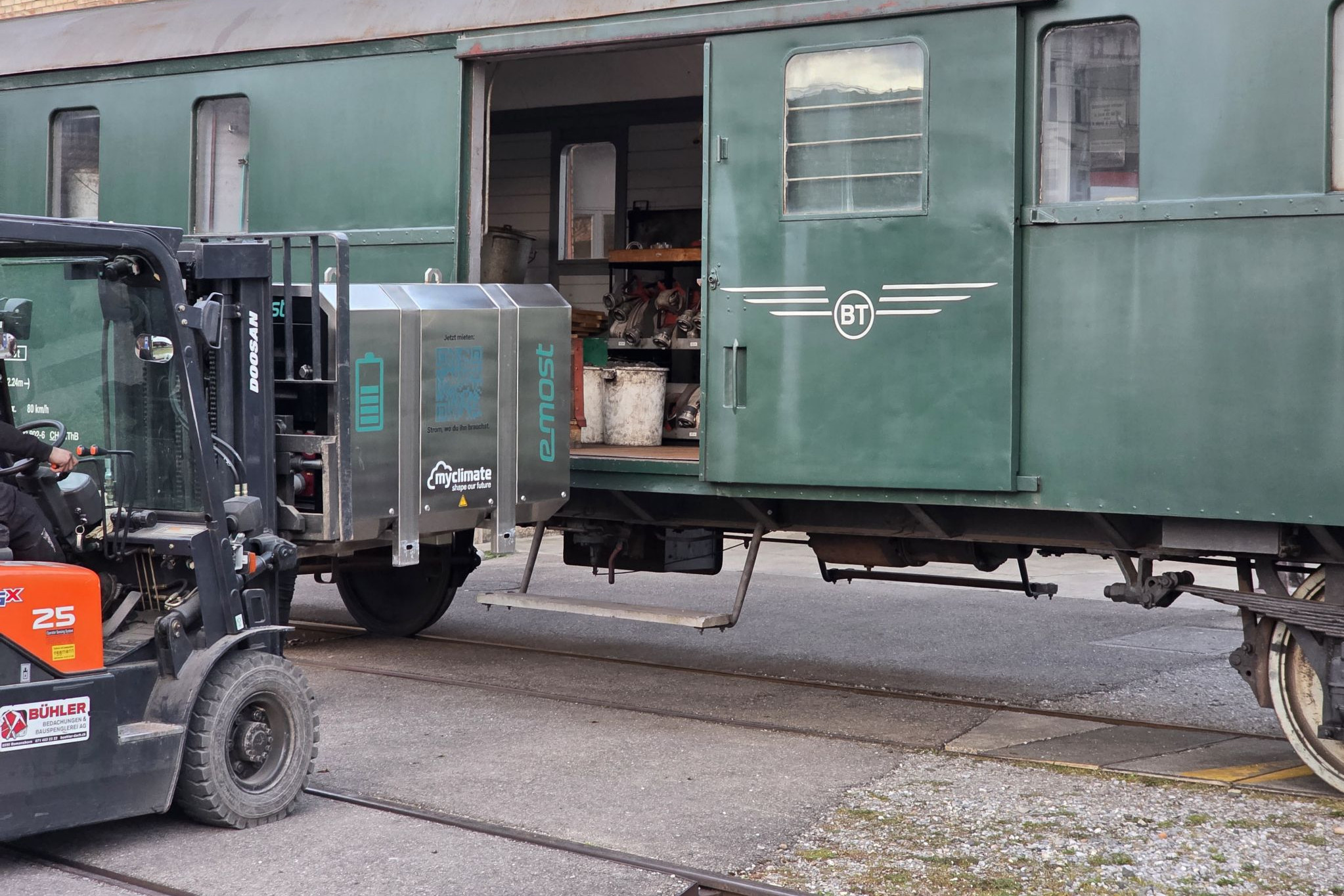
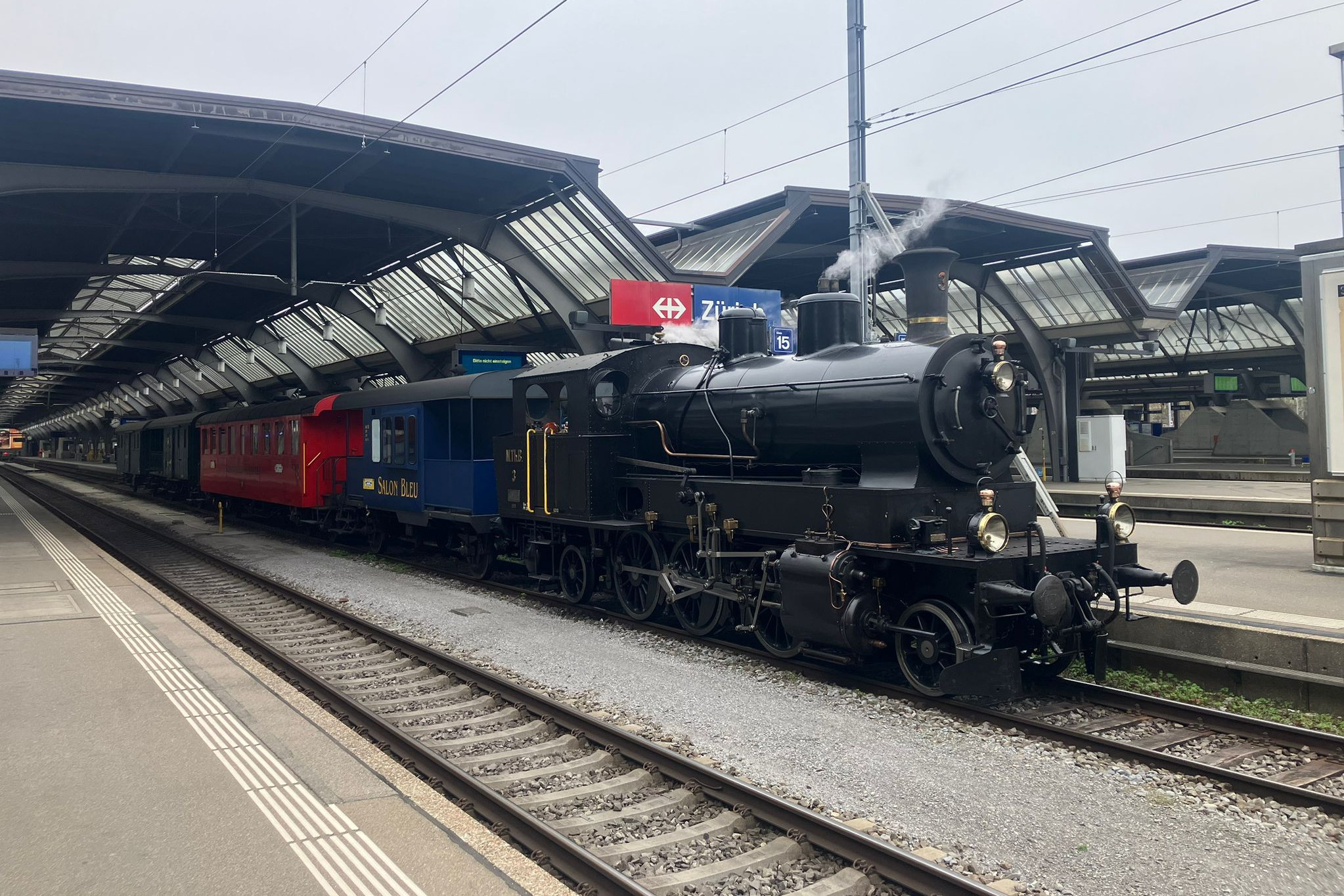
During a special steam train journey on the Historic Mittel-Thurgau Railway, the emost Butler S played a key role: it heated the carriages and supplied electricity for the catering. As a railway enthusiast, it’s wonderful to see modern energy technology keeping historic rolling stock running without altering its character or atmosphere. Once again, the Butler S has demonstrated what sets it apart: its high flexibility, modular design and ability to adapt to a wide variety of operating scenarios – often working behind the scenes, but precisely where it matters most.
The financial contribution from myclimate helps buyers of alternative power supplies to reduce higher investment costs compared to a diesel generator, thus creating a financial incentive to opt for a more sustainable alternative. The support programme was developed in accordance with the myclimate guidelines for domestic projects and verified by an external auditor. The emission reductions achieved through operations are also verified externally on a regular basis.
Here’s how you can benefit from the programme: before purchasing an alternative power supply, please contact one of our programme partners. The exact terms and conditions of participation depend on the technology in question and are available from the programme partners. As a general rule, however,
Currently, power supplies from the following programme partners are eligible for funding under the programme:
*as of February 2025. Find out how myclimate reports these SDGs in our FAQ.
160 MWh of renewable electricity per year is expected to be provided by alternative power supplies.
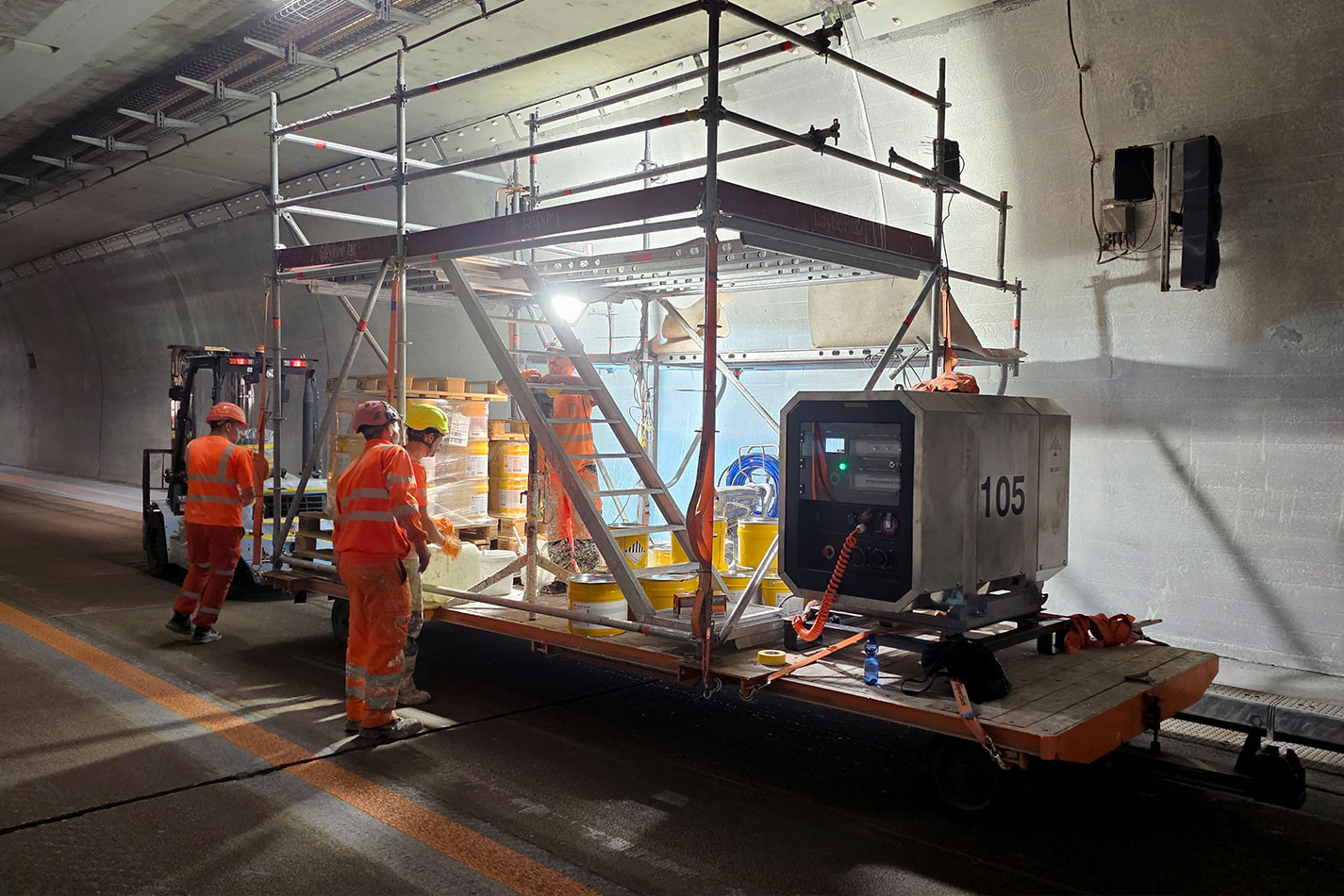
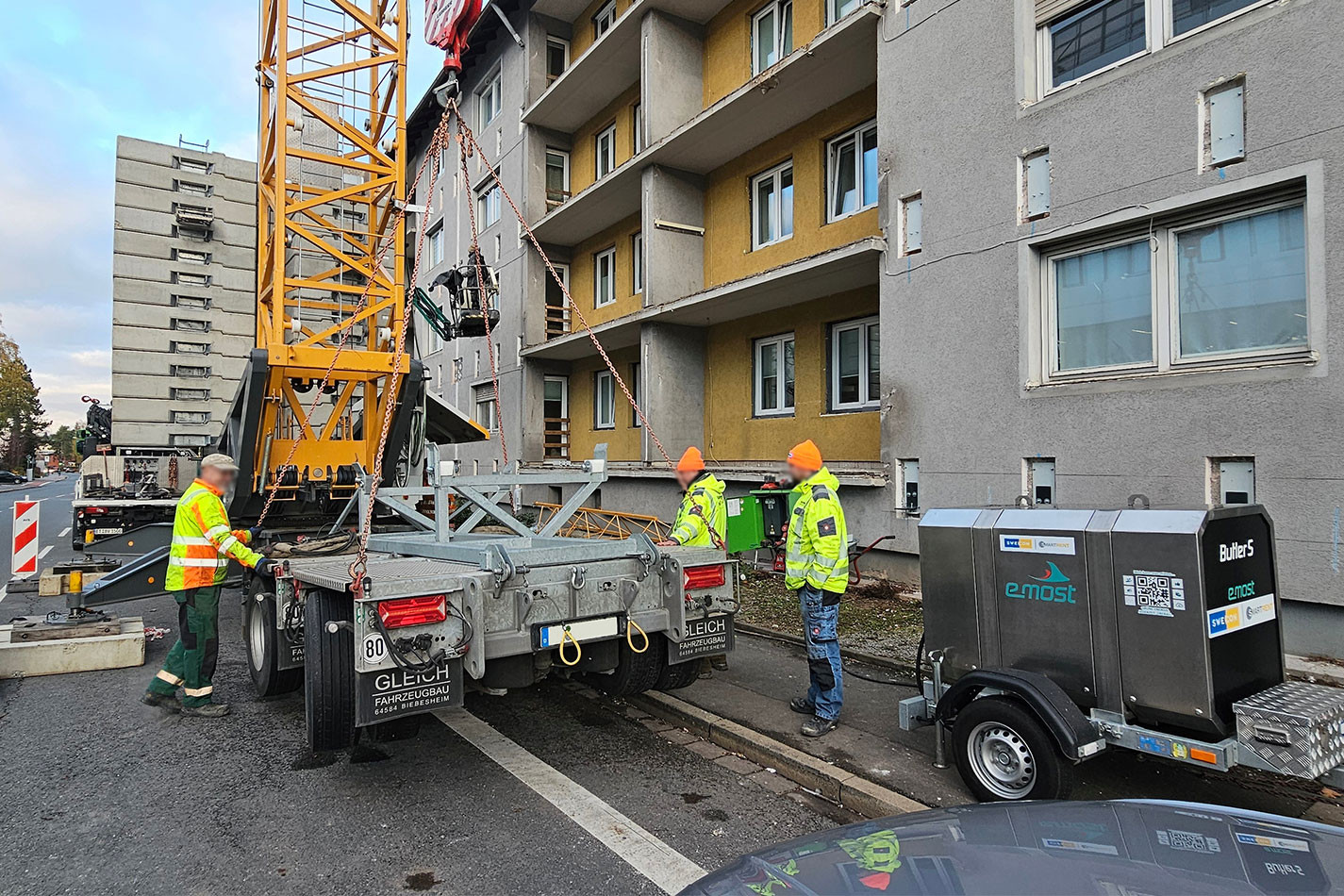
Since the project began in 2024, over 40 diesel generators have been replaced with battery packs from emost.
Since the programme began, the subsidised battery packs have clocked up over 13,000 operating hours, supplying power to events and construction sites without polluting the surrounding area with exhaust fumes or noise.
SDG 13: Around 465 tonnes of CO2 is expected to be saved annually.
7844