Project type: Biogas
Project location: Switzerland, various cantons
Project status: Completed, credits available
Annual emission reduction of the whole project: 9382 climate impact CO2e
Methane from slurry and manure is a powerful greenhouse gas - and is hardly used in Swiss agriculture. This is precisely where Switzerland's first Gold Standard-certified biogas project comes in: It reduces emissions while generating renewable energy on nine certified organic farms.
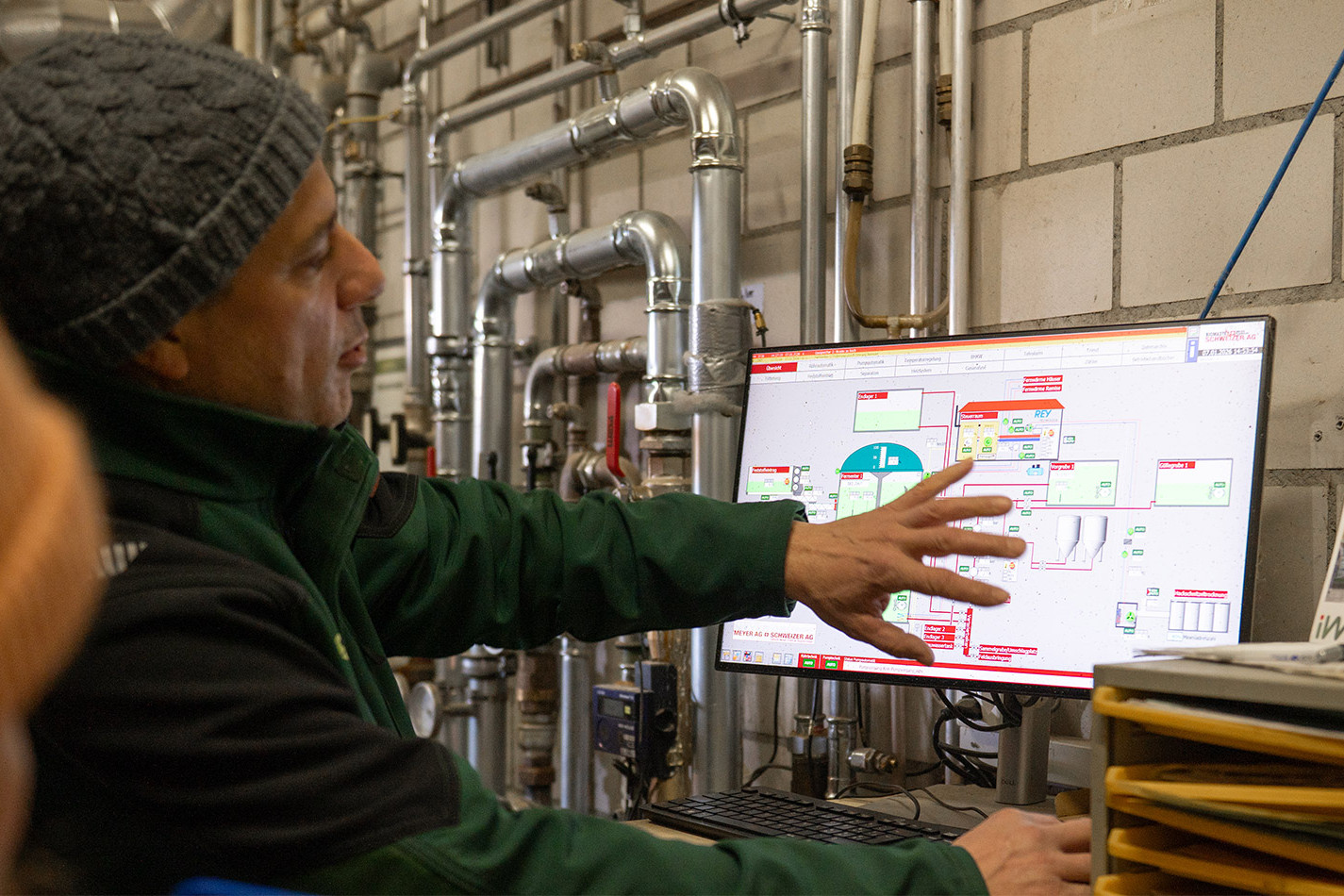
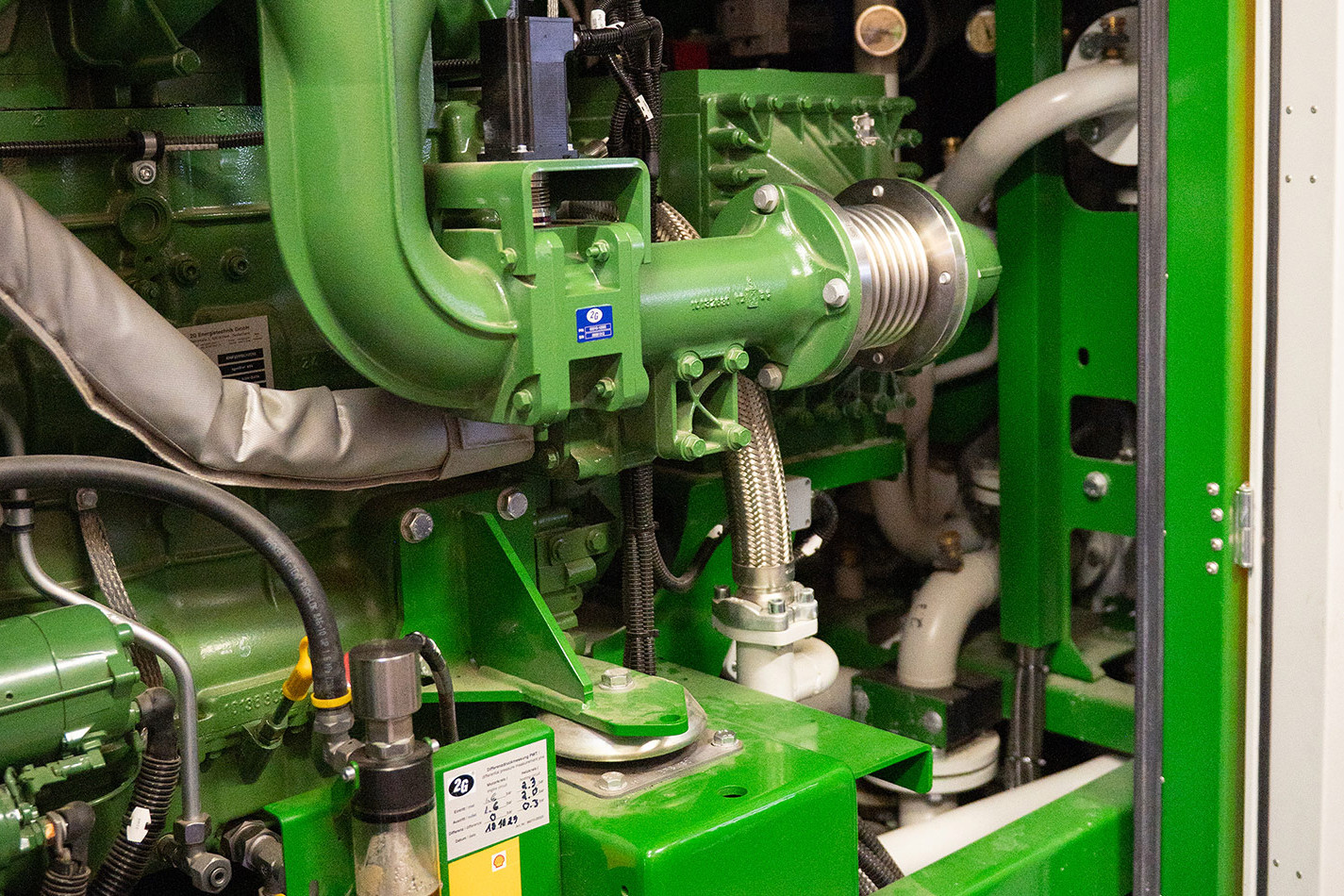
In Switzerland, the storage of farmyard manure such as dung and slurry produces methane - a gas that is around 25 times more harmful to the climate than CO₂. On certified organic farms, this farmyard manure is fermented in biogas digesters in a controlled manner. The resulting biogas is converted into electricity and heat on site in combined heat and power plants. The electricity is fed into the grid, while the heat can be used to operate the plants or heat buildings.
What remains is a nutrient-rich fermentation residue that is used as fertiliser on the surrounding fields - thus reducing the use of mineral fertilisers. However, the greatest climate protection effect is achieved by the fact that significantly less methane is released during controlled fermentation than during open storage.
Utilisation of contributions to climate protection
It is economically challenging for smaller agricultural biogas digesters to survive in the long term. Construction and operation are time-consuming and cost-intensive: high initial investments, low income from heat sales and co-substrate disposal as well as a lower biogas yield due to the use of farmyard manure lead to high electricity generation costs.
Income from CO₂ certificates, which are awarded specifically for avoiding methane, enable the long-term operation of these plants. They ensure long-term economic viability and climate benefits.
Partnership for sustainable agriculture
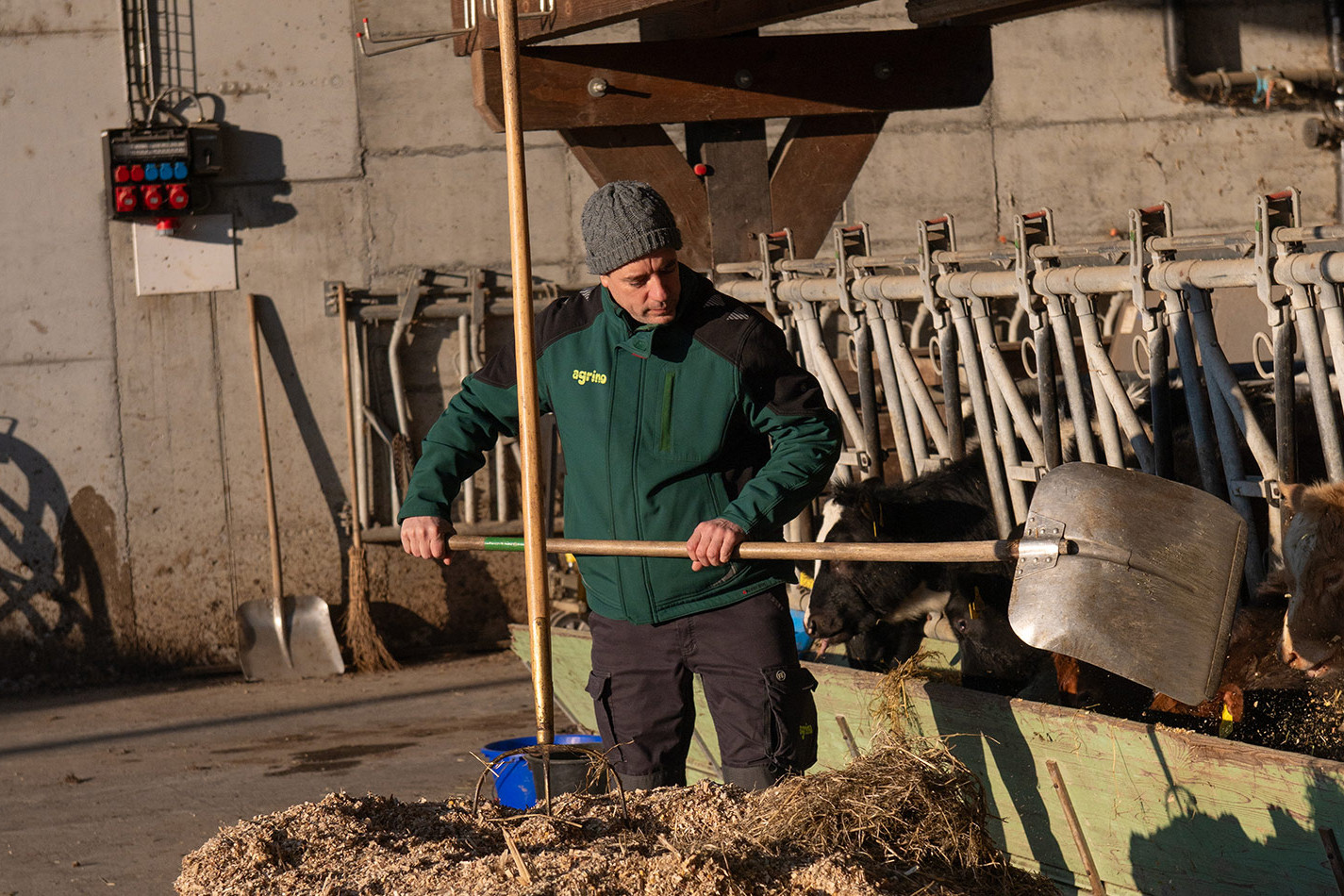
The biogas digesters are operated by individual farmers. They receive support from the Swiss Green Electricity Cooperative, which is involved in the development and distribution of the certified climate protection projects.
Agricultural biogas digesters are real all-rounders. They not only make an active contribution to climate protection by reducing methane and CO2, but also supply both green winter electricity and balancing energy. The fermentation residue from the biogas process also closes the nutrient cycles and reduces the import of mineral fertilisers.
*All figures from 2021 (latest available monitoring). myclimate is only financing part of this project. The following figures refer to the impact of the entire project.
Find out how myclimate reports these SDGs in our FAQ.
21.88 TJ of renewable energy is generated by the biogas digesters.
The project has created almost 23 jobs in agriculture.
The 31 biogas digesters generated 9432 tonnes of CO2 in 2021.
7856