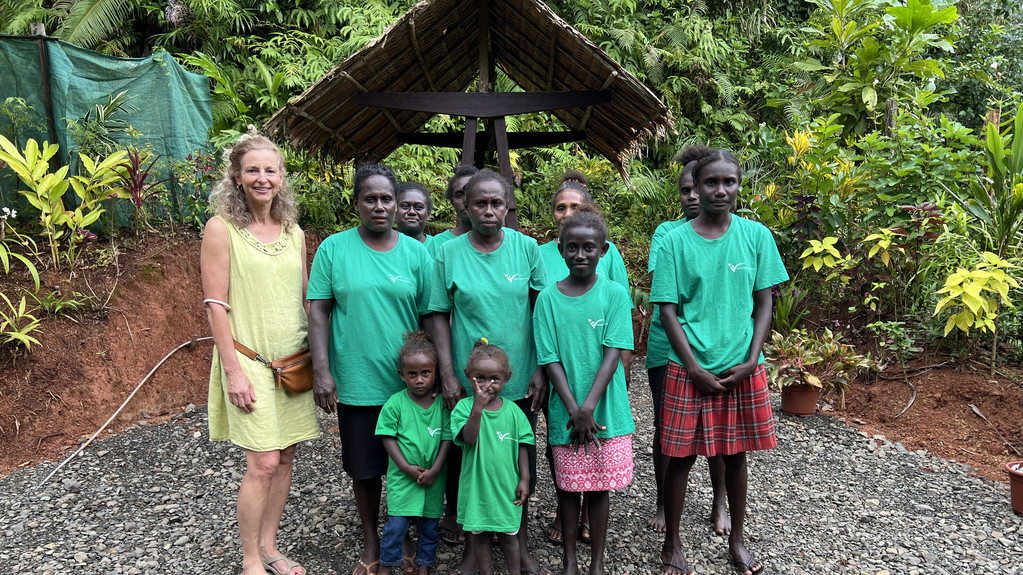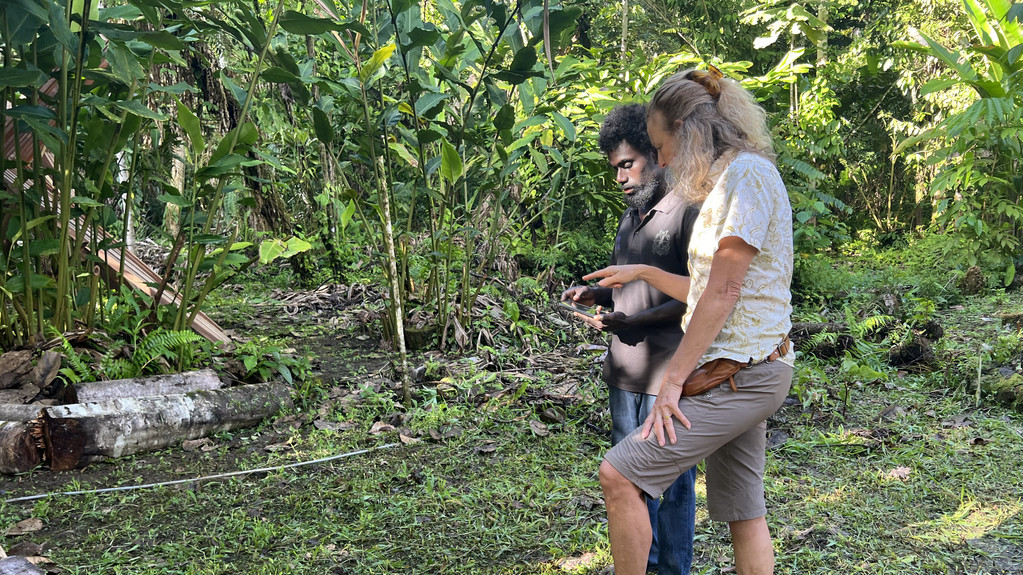
The highlight in the life of a project manager is the on-site visit. After all, it is only through real encounters and personal stories that it becomes clear what a long process can achieve in reality. For me, the time had come at the end of last year: I was able to visit the Babatana Rainforest Conservation Project in the Solomon Islands. The island state is located east of New Guinea and has a population of around 750,000. Together with our implementation partners Nakau and NRDF, I was able to experience how the climate protection project works and where it needs to be further strengthened.
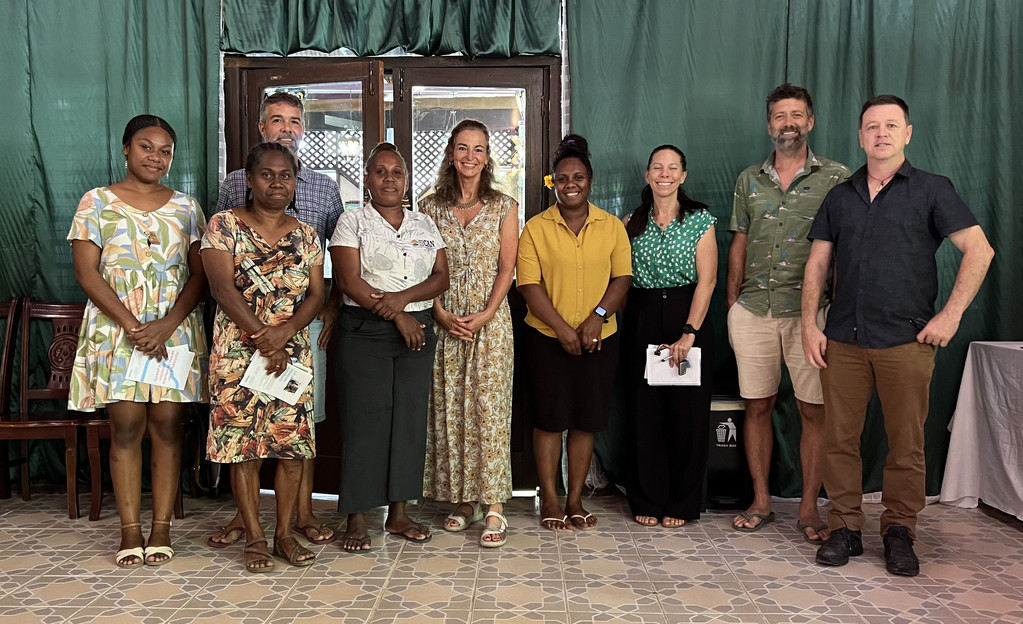
My trip began in Honiara with talks at the climate and forestry ministries of the Solomon Islands as well as meetings with the technical experts who support the indigenous people in the implementation. We then travelled to Choiseul Province, where we were warmly welcomed by the project communities in Sirebe and Siporae. During a tour, we experienced the impact on the ground that the community has achieved thanks to the sale of its climate protection certificates: Water supply networks, shop run by women, funding for women's savings clubs, repair workshop, boat purchase for market access, building materials, school fees, ranger jobs.
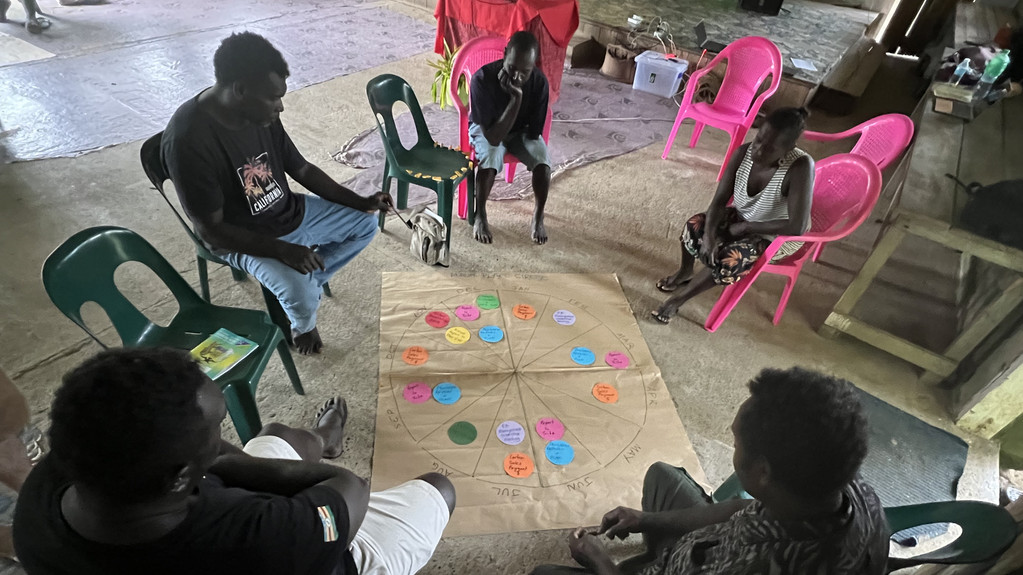
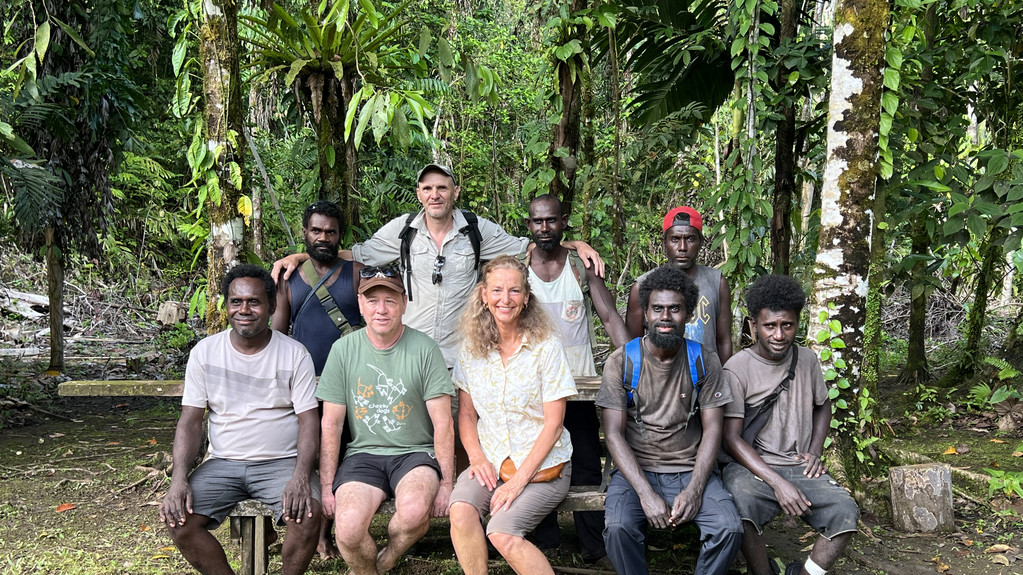
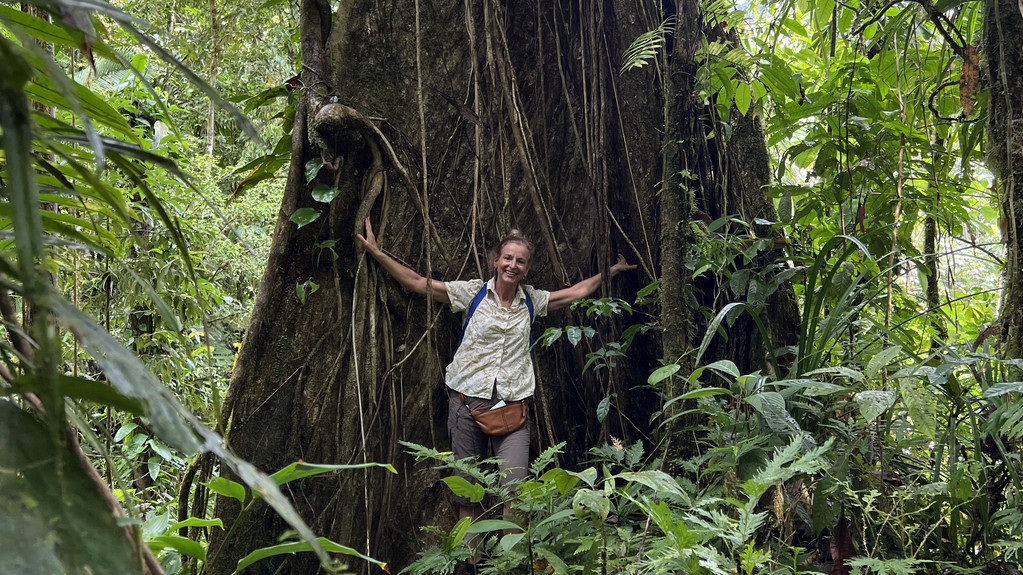
During a ranger training course, in which I was also able to provide some insights into the European market, the indigenous project approach became clearly tangible. We explored the forest by boat and on foot with local rangers, who are responsible for monitoring, and had many conversations with the people who support this project on a daily basis. The exchange with the Sirebe Tribal Association was particularly impressive: their stories make it clear how closely climate protection, cultural identity and the future of the communities are interwoven.
Why Climate Protection Financing plays a Central role.
The Babatana project utilises the Nakau methodology, which was developed specifically for the Pacific context. It guarantees locally anchored implementation in which land and carbon rights remain with indigenous communities, who themselves decide on the communal use of climate funds.
Our partner organisation NRDF plays a central role in the implementation: they train rangers, accompany the project work on site, monitor the forest areas and report to the international Plan Vivo standard.
As strong as the project is today, its future cannot be taken for granted. The forest can only be protected thanks to voluntary contributions to climate protection, which are mobilised through the sale of CO2 certificates. Without these funds, the local population often has no choice: without income from forest protection, they come under pressure to sell their logging rights — with the almost inevitable result of clearing and deforestation. The long-term consequences would be devastating for nature, for the communities and ultimately for global climate protection.
Prospects for the Future
The Babatana initiative not only protects unspoilt rainforest, but also creates new prospects: for education, health, women's projects and income. As Atkin Vilaka, Chief of the Siporae Tribal Association, puts it:
What we are protecting here is one of the last untouched rainforests in the Pacific. In doing so, we are making a contribution to climate protection. That motivates us.
This trip has shown me impressively what an important role revenue from the carbon market plays in strengthening indigenous communities, promoting their skills and respecting their decision to protect the forest instead of generating short-term revenue from logging.