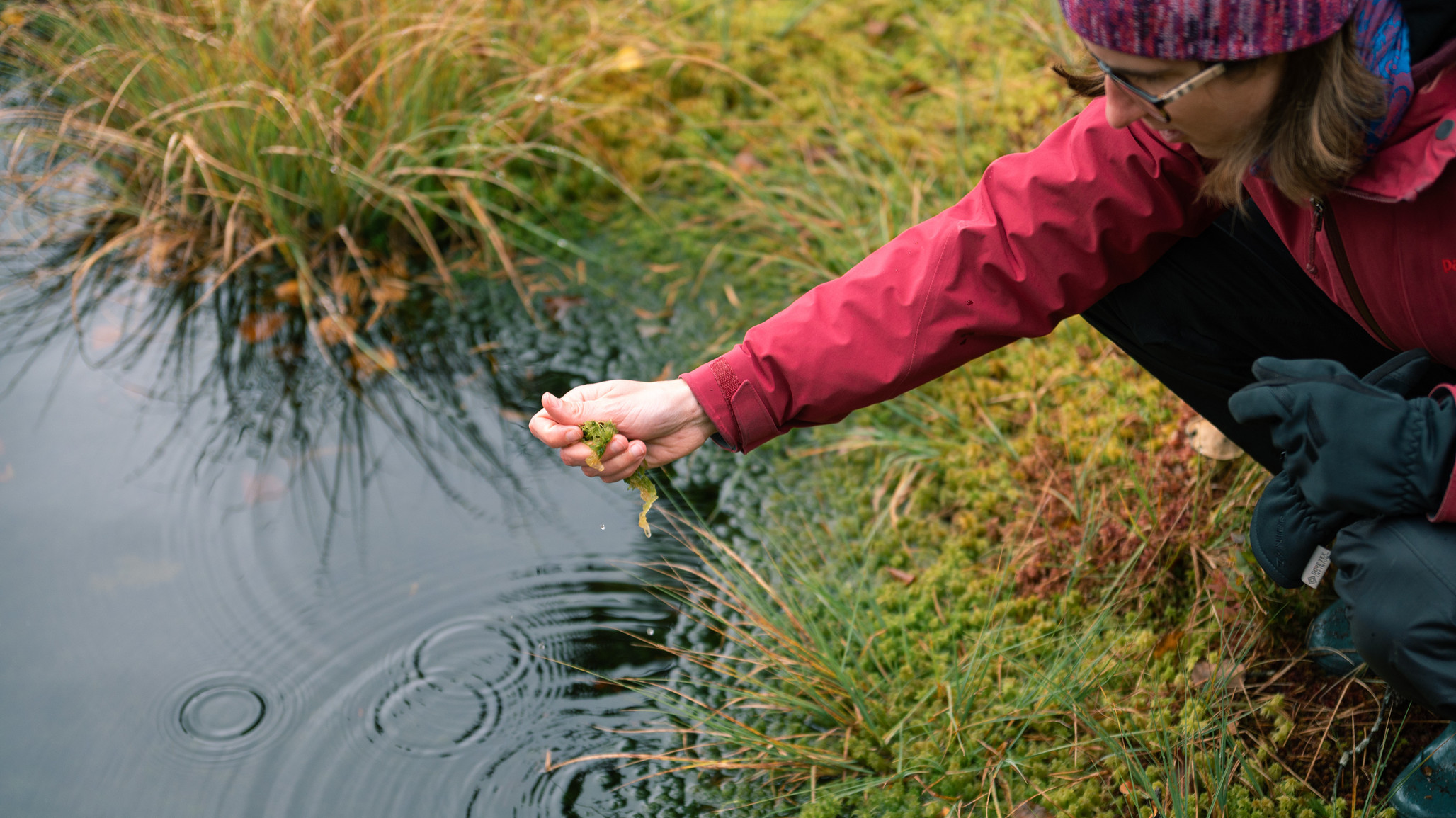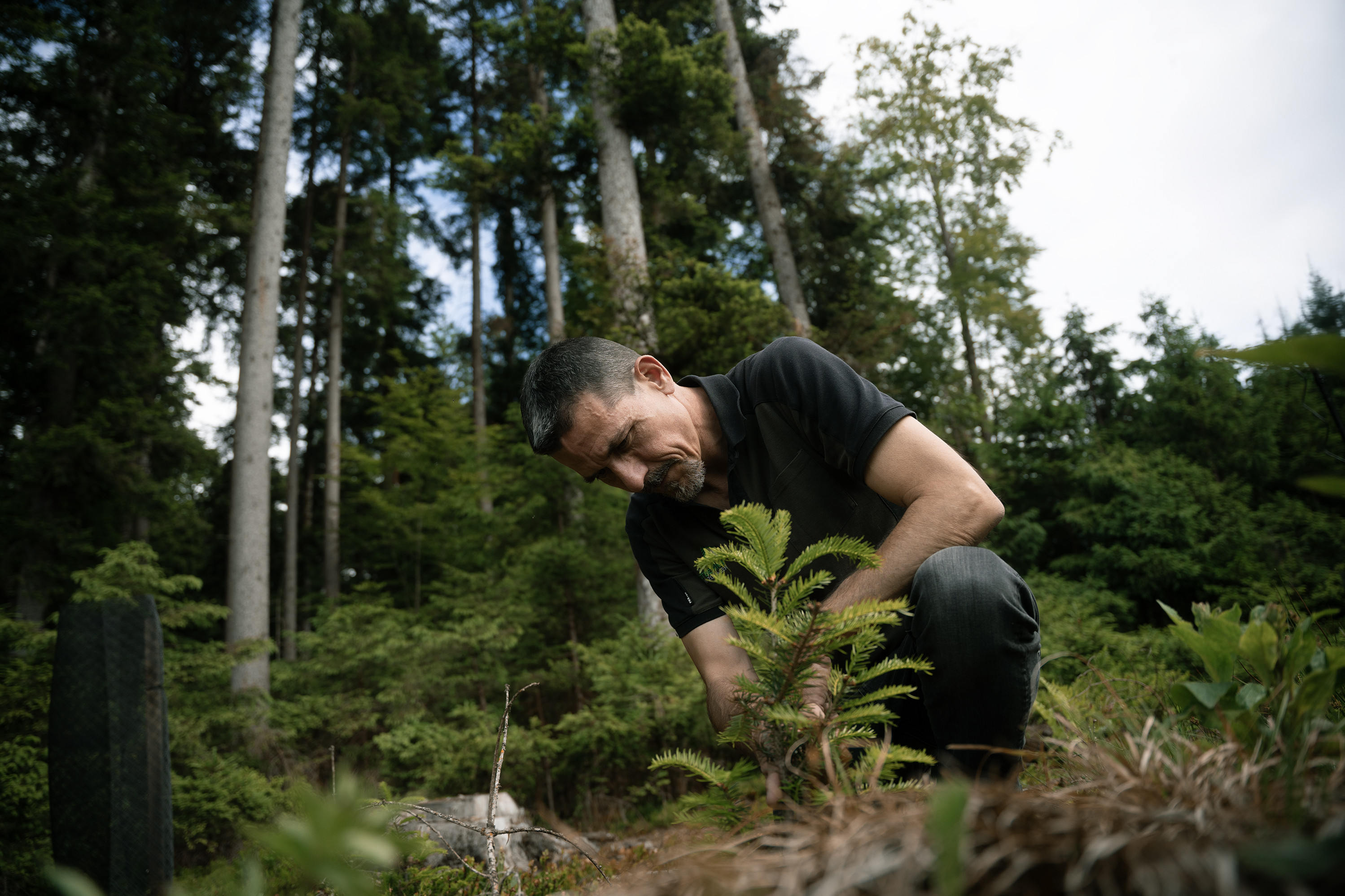
Nature-based CO2 removal projects extract CO2 from the atmosphere via photosynthesis and store the carbon in biomass, in soils or as building materials in buildings for significant periods of time (several decades – sometimes centuries). By immediately removing CO2 during these projects, global warming can already be slowed down. This buys us time and effectively reduces the pressure to adapt to climate change – provided that reductions in emissions and the establishment of durable sinks go hand in hand.
Nature-based CO2 removals make a measurable contribution to net zero by storing carbon in biomass or soils over decades (in some cases centuries). They give the climate system much-needed time: while the carbon is stored (e.g. in wood, moorland or a mature forest), further, permanent storage solutions can be established. Without these projects, global warming would accelerate much faster and the pressure to adapt would be much higher. It is important that the storage period is reported transparently. This is the only way to ensure that the climate impact remains credible.
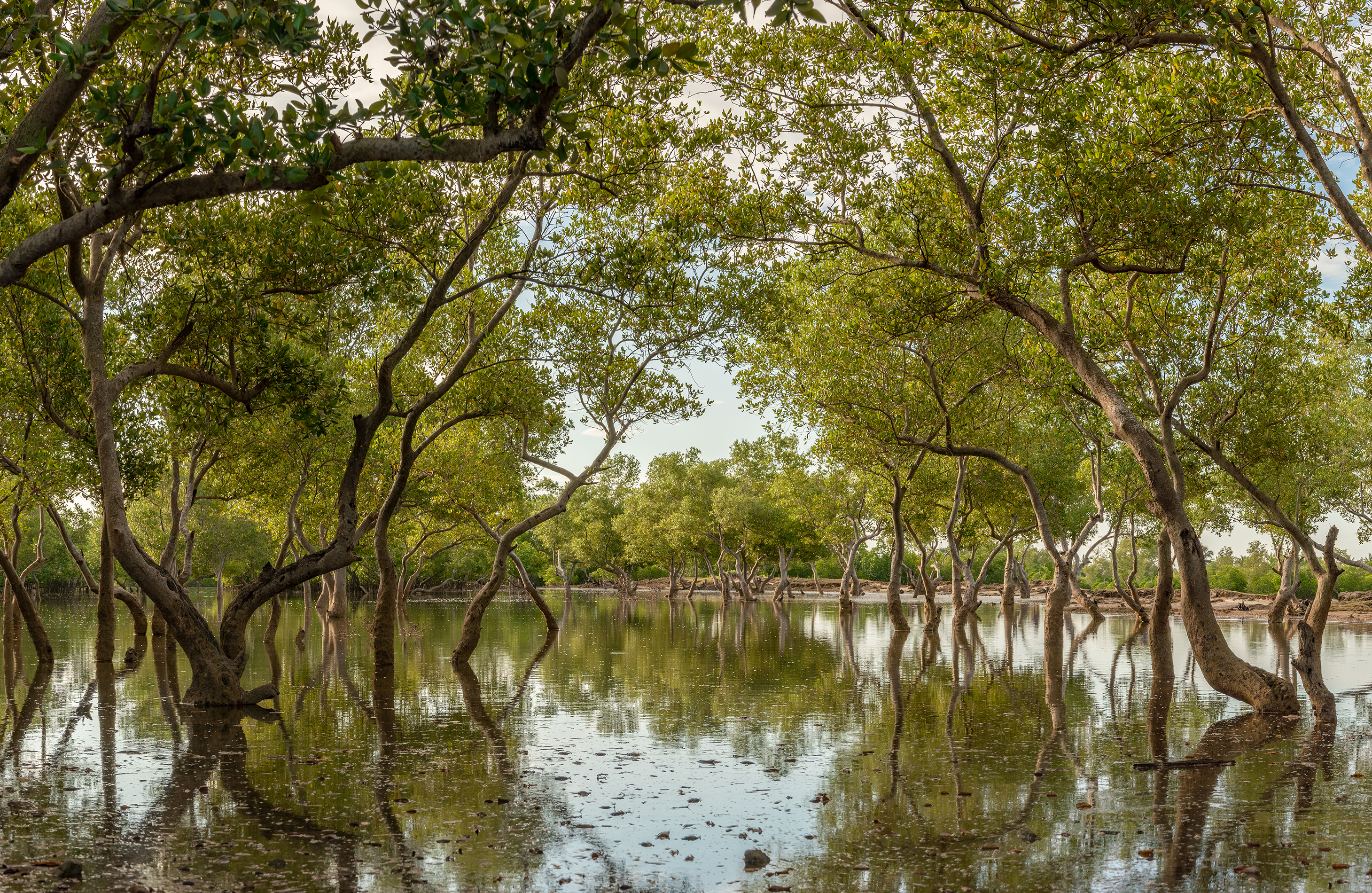
Projects with effectively implemented nature-based CO2 removal also contribute effectively to the restoration of ecosystems and strengthen their resilience. In doing so, they make important contributions not only to biodiversity but also to the livelihoods of the people in the project regions.
When selecting projects, myclimate focuses in particular on approaches such as climate-resilient forestry and agroforestry. These involve the extraction of CO2 from the air via photosynthesis and the storage of carbon in vegetation and soils. Biodiversity and the stability of local ecosystems are promoted at the same time. In addition, technological storage solutions – such as biogenic building materials such as wood, hemp blocks or biochar concrete – are used to bind biogenic carbon for long periods and keep it stable over the life of a building.

Predictable immediate impact
Nature-based sink projects, transparently embedded in a climate strategy, are a sensible building block on the path to net zero.

Scalability for immediate success
Particularly suitable for achieving short-term emissions targets and making the impact visible.

Additional environmental and social benefits
Nature-based projects promote biodiversity, water conservation and the resilience of local communities.

Strong communicative impact
Projects that relate to nature are tangible and visually powerful, and create trust amongst stakeholders. Building up a nature-based project portfolio is a way for your company to credibly take on social responsibility for achieving net-zero targets.
Biogenic building materials as CO2 stores in the building sector are the next major necessity on the road to net zero. Not only can the materials be produced sustainably and improve the indoor climate of a building; they can also be almost completely recycled at the end of their lives. CO2 storage, lower CO₂ emissions and the circular economy – transforming the construction industry brings all-round benefits
FAQ: What Companies Need to Know when Selecting Effective Climate Protection Projects

Not-for-profit:
A credible partner with more than 20 years of experience, focused solely on impact
Find out more

Globally connected:
Projects in over 40 countries and contacts to project developers worldwide
Find out more
Impact‑oriented:
Focus on measurable climate impact and sustainable development (SDGs)
Find out more

Recognised standards:
Certified projects (e.g. Gold Standard, Plan Vivo, VCS, CSI, FOEN, SFOE)
Find out more

Verification & monitoring:
Regular monitoring of project activities and external verification
Find out more

Proximity to projects:
Project ideas and partners are checked on site. Co-developers of high-quality climate protection projects.
Find out more